アイダ 神戸
IdaKobe
Cattle Company
Bruneau, Idaho · Est. on the Snake River
What makes Kobe beef Kobe?
The word is spoken with reverence in kitchens around the world. But true Kobe beef is not merely a cut of meat — it is the culmination of a centuries-old covenant between animal, land, and craft.
To earn the designation of authentic A5 Kobe beef, the rules are absolute. The cattle must be of pure Tajima bloodline — a strain refined over centuries in the mountains of Japan's Hyōgo Prefecture. No crossbreeding. No exceptions.
But lineage alone is not enough. The feed must be grown within Hyōgo Prefecture. The cattle must be raised there, grazed there, and ultimately harvested there. They must be virgin heifers or steers, matured to a minimum of thirty months — nearly twice the timeline of conventional beef production — allowing the extraordinary marbling to develop slowly, naturally, and completely.
Only then, after passing the most rigorous grading standards in the world, may the beef carry the Kobe name. It is a title that cannot be bought, only earned.
"Every requirement exists for one reason: to ensure that nothing — not genetics, not feed, not time — is ever compromised."
The Kobe Beef StandardA lineage that almost vanished
In the 1970s and again in the 1990s, a man named Mr. Takeda did something extraordinary. He chartered private planes and brought live Tajima cattle from Japan to the United States — the only time pureblooded Tajima would ever leave the island nation.
Shortly after, Japan sealed the door forever. The government banned all further export of live Tajima cattle, oocytes, semen, embryos, and even clonable tissue. The bloodline that had been perfected over generations would be protected at all costs.
What happened next in America, however, was driven by commerce rather than craft. Those precious Tajima cattle were crossed with Angus — a breed that reaches market weight in just eighteen months. Faster turnover. Higher volume. But in the crossing, the purity of the Tajima line was diluted, and with it, the possibility of producing anything approaching genuine Kobe quality on American soil.
The 100% Tajima female effectively ceased to exist in the United States. Only the semen remained — frozen straws from those original bulls, waiting in cryogenic storage like messages from another era.
Rebuilding what was lost
At IdaKobe, we are doing what many thought was impossible: reconstructing a 100% Tajima herd on American soil, one generation at a time.
We began by acquiring the highest-percentage Tajima females in the United States — cattle verified at 91.2% Tajima genetics. We then created embryos using semen straws from our collection of ten original, certified 100% Tajima bulls. Each generation brings us closer. Each generation is a deliberate, patient act of restoration.
This is not a process that can be rushed. A calf gestates for nine months. We then wait until she reaches fifteen months of age before harvesting oocytes, creating new embryos with another 100% Tajima straw, and beginning the cycle again. Each step forward takes roughly two years.
"We are not racing to market. We are returning to the original standard — the one Japan has honored for centuries."
IdaKobe Cattle CompanyNot a single stressful day
While the Kobe standard in Japan requires a minimum of thirty months before harvest, at IdaKobe we go further — raising our cattle for thirty-six to forty months. This extended timeline allows the finest possible intramuscular marbling to develop fully, and gives the animal a longer, more pampered life than virtually any beef cattle on earth.
Our goal is simple and absolute: not a single stressful day. From birth to the final moment, every IdaKobe animal is treated more like a member of the family than a unit of production. They are spoken to, brushed, and cared for individually. They graze unhurried. They drink clean water. They live, by any measure, a good life.
And when the time comes, the harvest itself reflects that same commitment. It is instant and humane — designed so the animal has the least possible amount of fear, and no suffering. Compared even to Tajima cattle raised in Japan, IdaKobe animals live longer and are treated with a standard of care that we believe is unmatched anywhere in the world.
"The way an animal lives is inseparable from what it becomes. Stress-free from the first day to the last — that is the only standard we will accept."
IdaKobe Cattle Company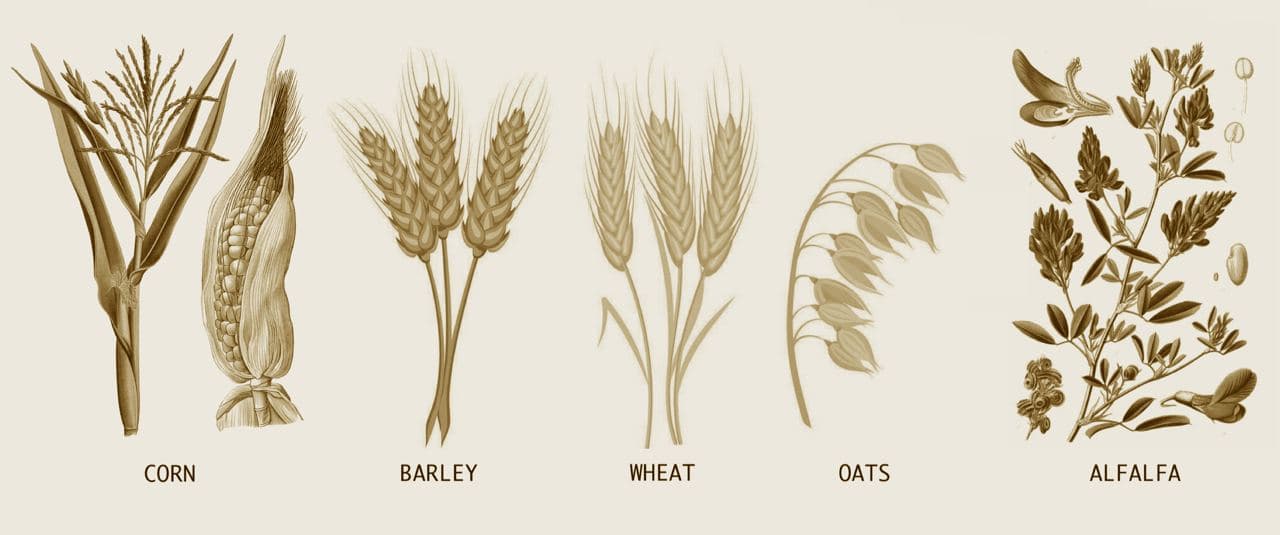
Five generations on the Snake River
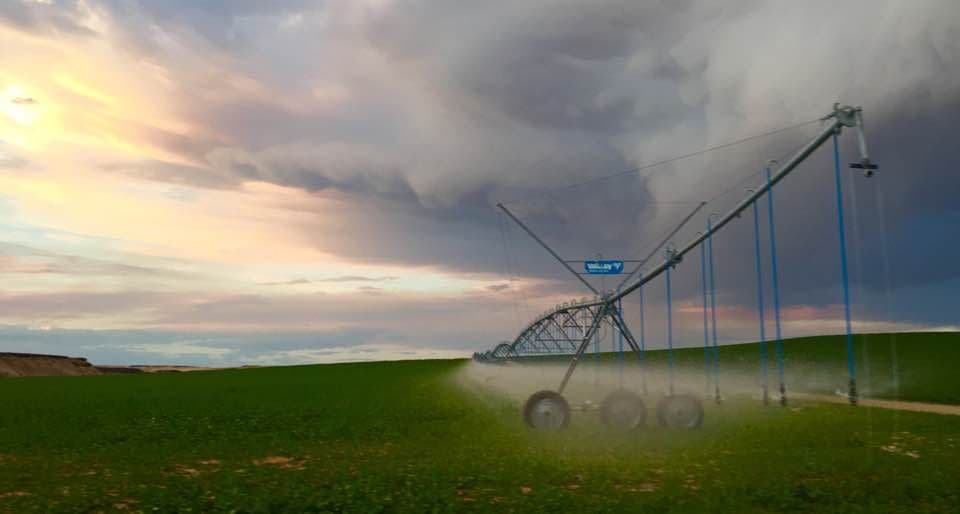
Bethany is a fifth-generation farmer in Bruneau, Idaho, where the Snake River carves through high desert canyon land.

On her 500 acres, she grows every grain and forage her cattle will ever eat — corn, wheat, oats, barley, straw, and alfalfa. Nothing but the minerals is sourced from outside the farm. The feed is hers. The water is hers. The land has been in her family for more than 50 years.
The water they drink is some of the clearest, most delicious water you'll ever taste — fed by the Snake River aquifer and filtered through ancient volcanic rock. This, much like the legendary springs of Hyōgo Prefecture, gives everything grown here a purity that you can taste in the final product.
This closed-loop approach mirrors the philosophy behind authentic Kobe production in Japan, where every element of the animal's life — from feed to water to the ground it walks on — must originate from within the prefecture. Bethany has built that same standard in the high desert of Idaho.
What makes Bethany's role truly singular is its completeness. She doesn't simply raise Tajima cattle — she cultivates all the grain they eat, manages the water they drink, and shepherds each animal from birth through the full thirty-six to forty months to harvest. It is unlikely that any woman in the world — even in Japan — is personally overseeing every stage of this process: growing the feed, raising the cattle, and bringing them to market, all on her own land. Bethany stands completely alone in this cattle program.
"One woman. One farm. Every grain, every drop of water, every day of care — from seed to harvest, it all comes from here."
Bethany — IdaKobe Cattle CompanyA boutique operation, by design
IdaKobe is not a ranch that measures success in volume. With no more than eleven cattle per year, this is among the smallest and most intentional beef programs in the country.
Every animal is sold directly to restaurants through Trex — the distributor responsible for bringing the greatest percentage of certified, 100% true A5 Kobe beef from Japan into the United States. When IdaKobe beef arrives at a chef's kitchen, it arrives through the same channel that has set the standard for authentic Japanese Kobe distribution in America.
This is not beef you will find in a grocery store. It is not produced at scale. Each animal represents years of genetic work, up to forty months of single-source feeding, and the kind of unhurried, humane care that simply cannot exist in conventional production. The result is a product with a story as rare as its flavor.
"Eleven animals. One farm. One family. One unwavering standard."
IdaKobe Cattle Company